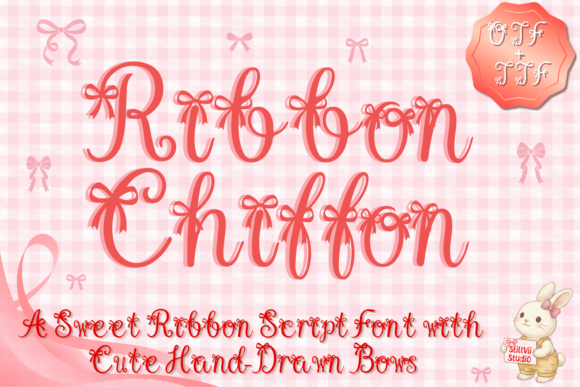
Ribbon Chiffon: A Display Font for Editorial Elegance
Editorial Uses for Ribbon Chiffon
Ribbon Chiffon shines in editorial contexts where visual appeal meets readability. Here are some practical ways to incorporate it into your design workflow:
- Blog Headers: Use Ribbon Chiffon for your blog title or featured post headers to create an inviting first impression.
- Magazine Covers: This font adds a touch of sophistication to magazine covers, especially for lifestyle, fashion, or wedding publications.
- Ebook Titles: For a creative ebook, Ribbon Chiffon can serve as the main title font, drawing readers in with its elegant appearance.
- Newsletter Graphics: Incorporate Ribbon Chiffon into pull quotes, section headings, or promotional graphics to add visual interest.
- Quote Layouts: The font’s ornate style works beautifully in quote boxes, adding a sense of intimacy and warmth.
- Chapter Openers: In books or guides, use Ribbon Chiffon for chapter openers to set the tone for each section.
- Printable Guides: Whether it's a planner, worksheet, or printable guide, Ribbon Chiffon adds a stylish flair to your content.
Supporting Visual Hierarchy and Brand Identity
Typography plays a crucial role in guiding the reader’s eye through your content. Ribbon Chiffon can help establish a clear visual hierarchy by distinguishing between titles, subtitles, and body text. When used effectively, it can draw attention to key elements while maintaining a cohesive brand identity.
Readability Considerations
While Ribbon Chiffon is beautiful, it’s important to consider its readability in different formats. On screens, ensure that the font size is large enough to maintain clarity, especially for mobile users. When exporting to PDF or using it in print, test how it looks at various sizes and resolutions to avoid distortion.
Font Pairing for Editorial Use
To achieve a well-rounded typographic composition, consider pairing Ribbon Chiffon with complementary fonts. Here are a few suggestions:
- For Body Copy: Pair with a readable serif or sans serif font like Georgia or Helvetica for a classic, professional look.
- For Captions and Navigation: Combine with a clean sans serif font such as Montserrat or Open Sans for a modern, minimalistic feel.
- For Branding Elements: Use Ribbon Chiffon alongside a geometric sans serif font for a contemporary and stylish brand identity.
Commercial Licensing and Practical Notes
When using Ribbon Chiffon for commercial purposes, always check the licensing terms. It is suitable for ebooks, templates, printables, paid newsletters, client publications, and digital downloads. Ensure that you have the appropriate rights to use the font in all intended formats, including web, print, and mobile.
Additionally, verify if the font includes alternate styles, ligatures, weights, and multilingual support. These features can enhance your design flexibility and make Ribbon Chiffon even more valuable for your editorial projects.
Conclusion
Ribbon Chiffon is more than just a font—it's a design asset that can transform your editorial work. Whether you're crafting a lifestyle blog, a wedding guide, or a coaching workbook, this display font offers a unique blend of beauty and functionality. By understanding its strengths and limitations, you can use it to create visually compelling layouts that engage your audience and reflect your brand identity.